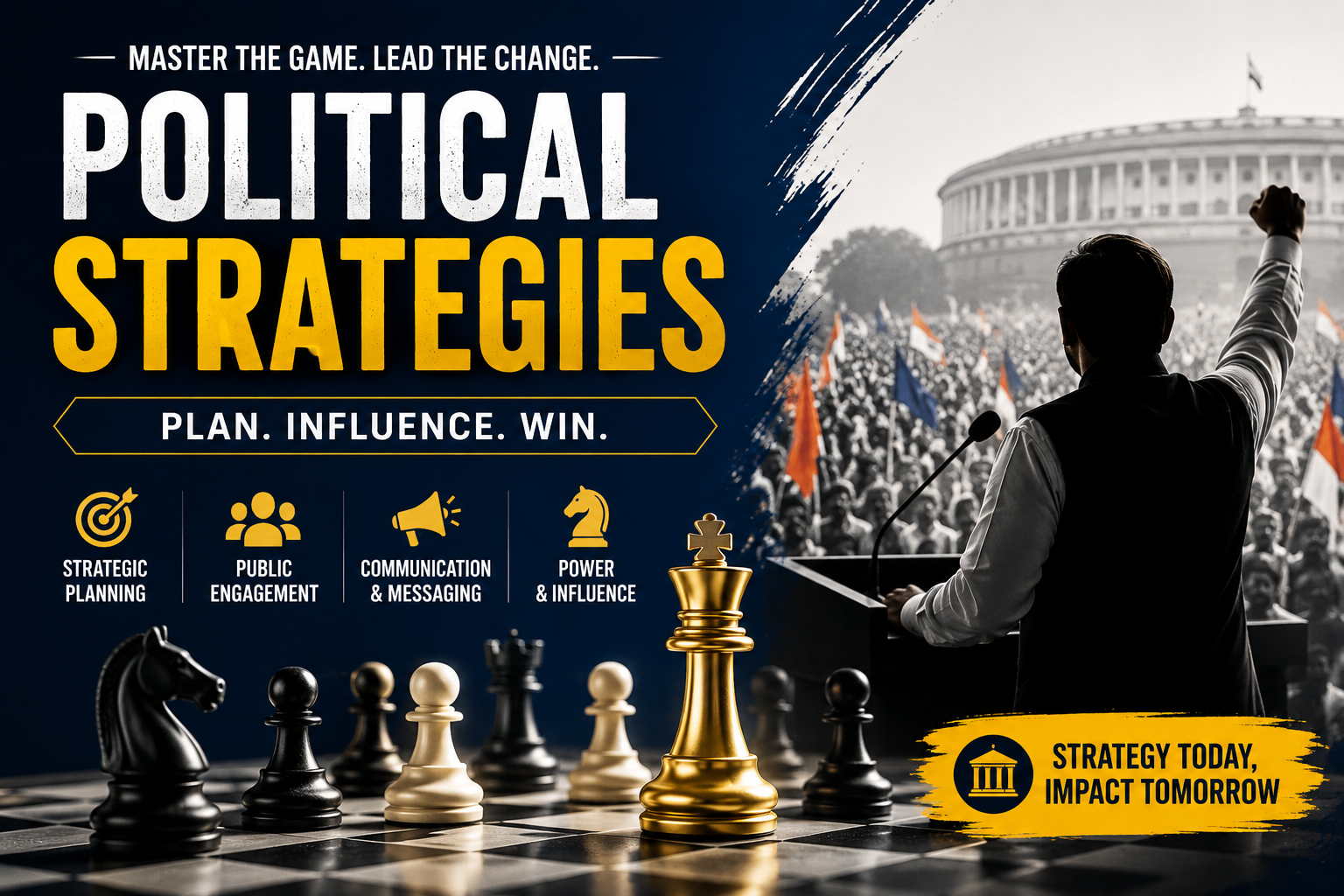
How Election Campaigns Work in India: Strategy, Structure & Execution?
India, the world’s largest democracy, holds elections on a very large scale. To win elections, political parties need a well-planned strategy, an organized team, and flawless execution. Whether it’s a local election or a Lok Sabha seat, every political campaign in India is carefully planned to connect with voters and earn their support.
Here’s a detailed look at how election campaigns work in India, step-by-step.
Election Campaign Management in India: Structure, Tools, and Success Factors
1. How India’s Election System Works: A Complete Overview
Diverse Voter Base: India has a very large and varied population. Voters belong to different castes, religions, regions, and speak many languages. Because of this, political parties need to create different political strategies for different states and communities.
Different Types of Elections: India holds elections at three main levels. The Lok Sabha (national level), Vidhan Sabha (state level), and local body elections (panchayats, municipalities).
Rules & Regulations: The Election Commission of India (ECI) makes sure that elections are fair. It sets effective political guidelines like making rules for how much money can be spent, how political campaigns should be carried out, and what political parties can or cannot do during the election period.
2. How Political Parties Prepare Before Elections in India?
Before even starting the election campaign, political parties collect necessary information to understand voters’ behaviour, like:
Collecting Voter Information at the Local Level: Political parties gather information about voters from each polling booth area, such as their age, caste, and local problems, help them to understand what issues matter to them.
Studying Past Voting Patterns: Experts look at how people voted in previous elections. This helps political parties find out where they are strong and which areas need more focus.
Grouping Voters Based on Common Features: Political parties group voters based on Voter demographics like age, gender, location, caste, and behavior. This helps the political party send the right message to the right people.
Identifying Key Issues: Each region has its own concerns like jobs, roads, farming and electricity. Political parties analyze which issues need attention in each area and plan an effective political strategy accordingly.
3. Effective Election Campaign Strategies Used in India
Strategies are the backbone of any political campaign. It includes
Creating a Clear Campaign Message: Political parties create a strong/simple message or slogan that people can easily remember, which shows what the political party or candidate stands for. e.g., “Abki Baar, Modi Sarkar”.
Choosing the Right Target Audience: Different areas have different voter groups like youth, women, farmers, or people living in cities. Political parties choose the most important groups in each area and plan their political campaign to reach and connect with them.
Reaching Out to Castes and Communities: In many places, certain castes or communities have a major influence on election results. So here political leaders or parties connect with these groups by the help of trusted local leaders and by addressing their specific needs.
Building the Candidate’s Public Image: Voters choose political leaders who understand their needs and beliefs. So, political parties work on the image of their political leader, highlighting their background, achievements, and qualities to make them more electable among the public.
4. Key Elements of a Successful Political Campaign Setup
To run a large election campaign flawlessly and for long-term political growth, political parties need a strong & organized team to handle different tasks.
War Room Setup: Central control centers where experts handle data, plan media activities, and keep track of social media trends.
Ground-Level Volunteers: These people work in local areas. Such as booth workers, political party members (karyakartas), and field staff who connect with voters and help in sorting local issues.
IT & Social Media Team: A special team handles the political party’s online activities. They create digital posts, keep voters updated through social media, and follow trends to make sure that the political campaign stays visible on the internet.
PR & Media Team: This team also manages political communication with the press. They send out news releases, arrange TV interviews, and make sure the political party’s message is clearly visible and heard in the media.